4 Layers Stripped Down to Fix This Flat Roof Right
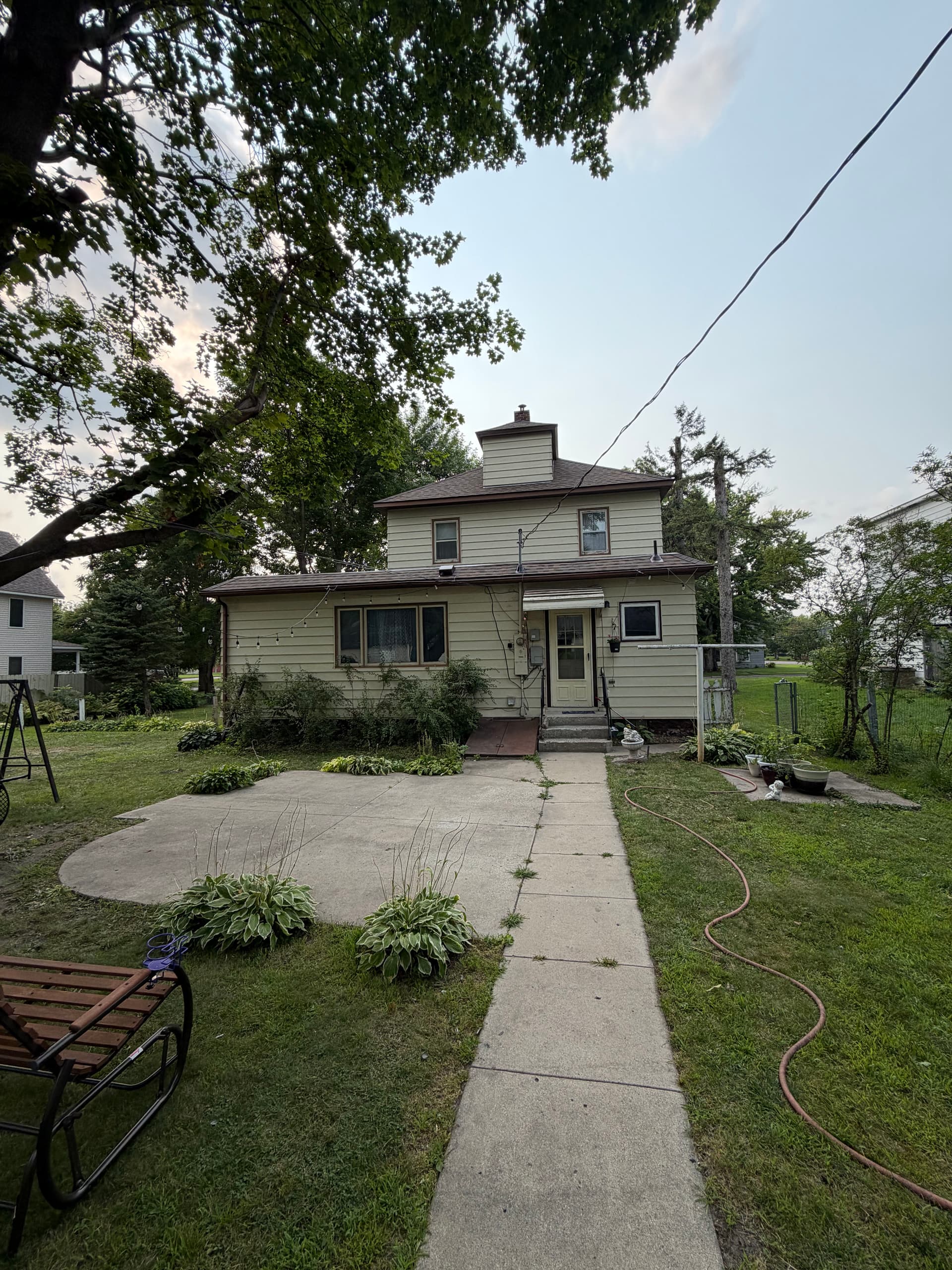
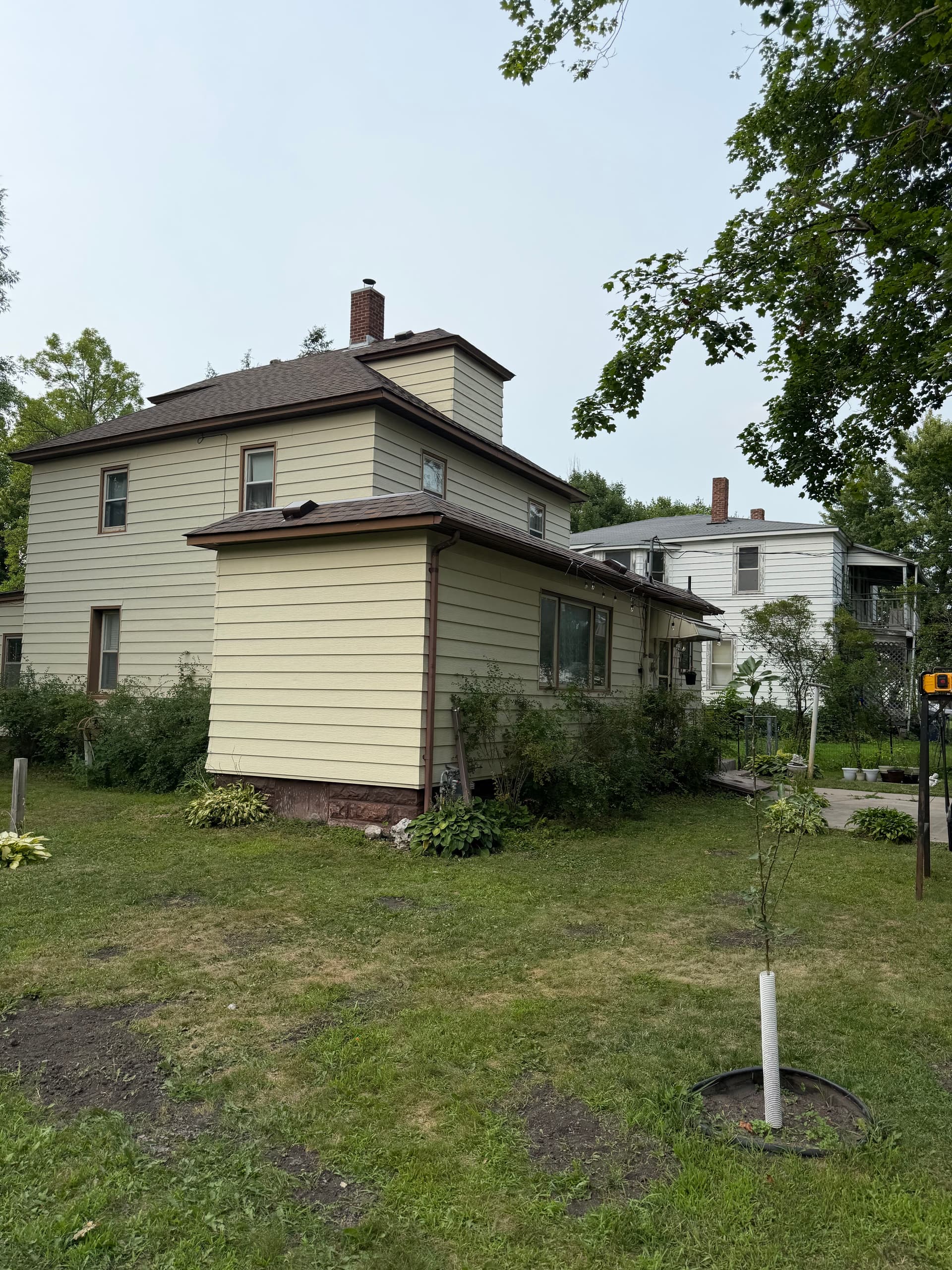
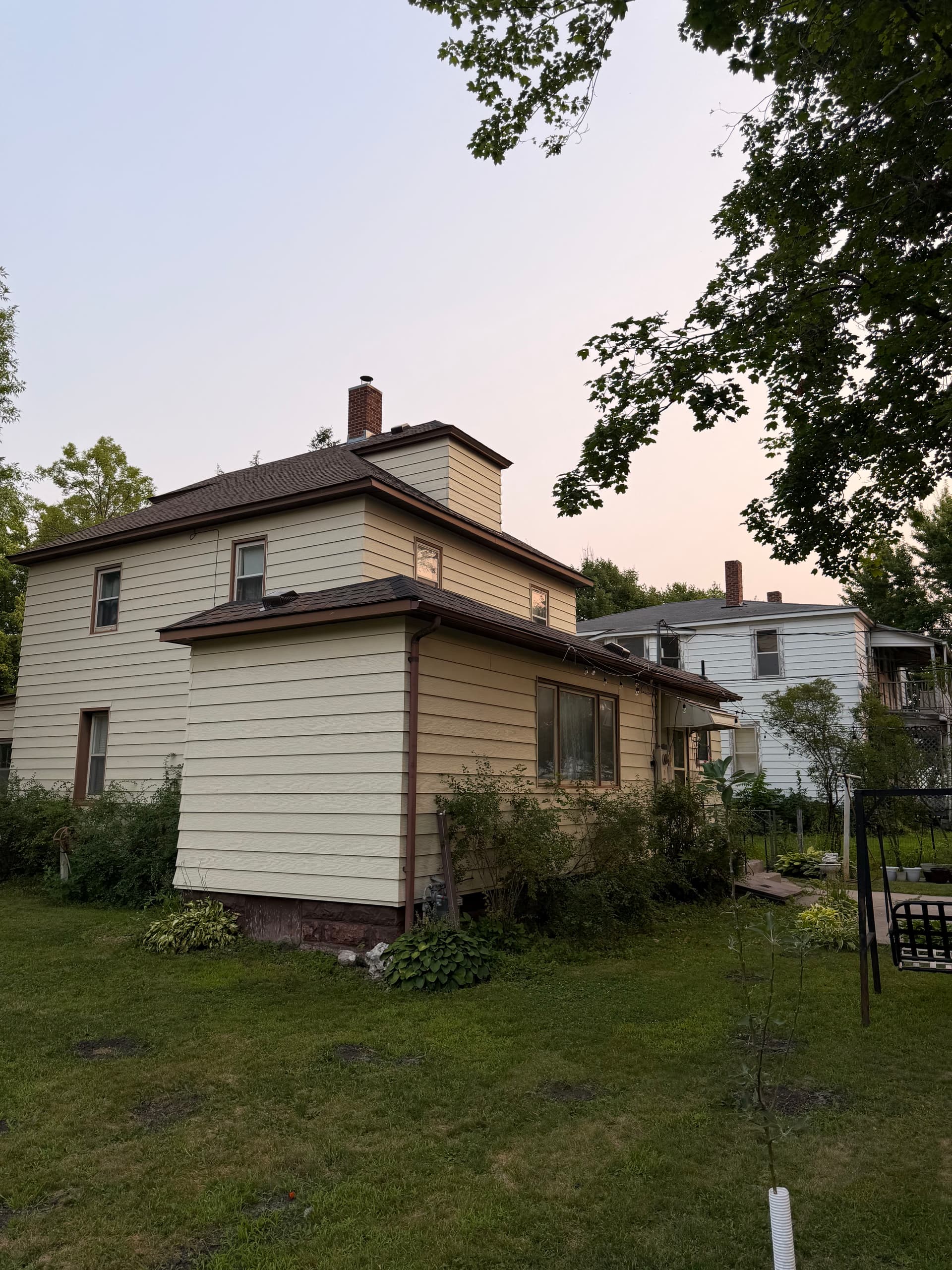
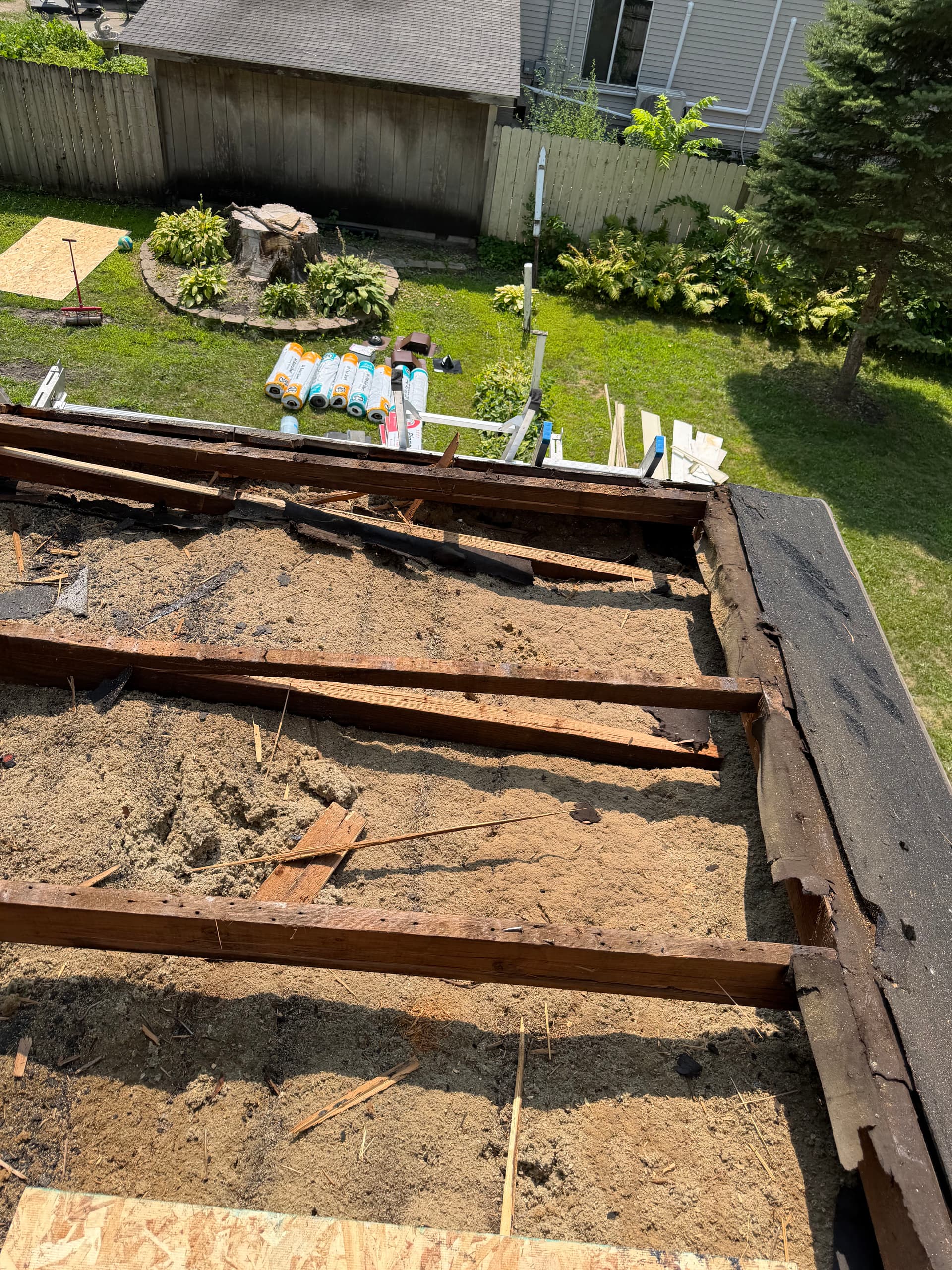
This one had a lot going on underneath. Four layers of roofing had been stacked up over the years - each one a patch on top of the last. That kind of buildup adds serious dead weight to a flat roof structure, and over time it takes a real toll on the framing below. Add in tree damage on top of that, and you've got a roof that needed more than just a surface fix.
We stripped everything down to the bones. What we found was exactly what you'd expect after years of layered-over roofing - deteriorated decking, compacted debris between the joists, and framing that had taken a beating from the tree impact. Before any new material went on, we reframed the damaged section properly. No shortcuts, no just sistering a board and calling it done.
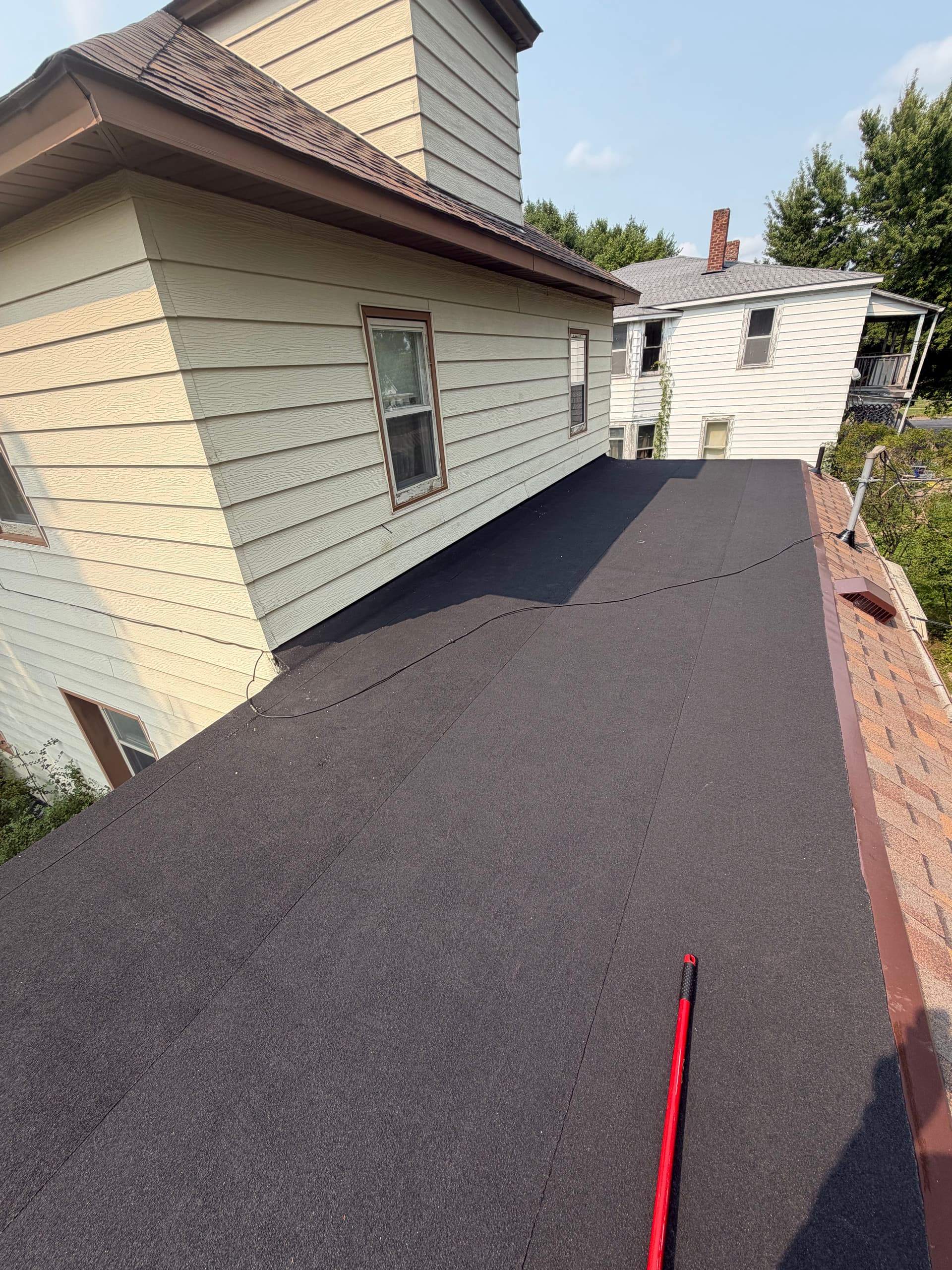
Once the structure was solid, we ran the flat roof membrane correctly up the wall. That detail matters more than most people realize. If a flat roof isn't terminated and sealed properly at the wall transition, water finds a way in - every time. Getting that right is what separates a repair that lasts from one that sends you back up there in two years.
The finished surface is clean and uniform, down to a single layer the way it should have been all along. The weight is gone, the framing is sound, and the roof is tied in correctly at every edge. Jobs like this take longer to do right, but that's exactly the point.
Flat roofs on older homes are one of those things that tend to get patched and re-patched until someone finally decides to do it properly. If your flat roof has been leaking, sagging, or just hasn't been looked at in years, it's worth having it inspected before more layers get added to the problem.