Why Is Your Vinyl Siding Warping, Buckling, or Melting?
Discover the causes of vinyl siding warping, buckling, and melting with expert tips to resolve these issues effectively.
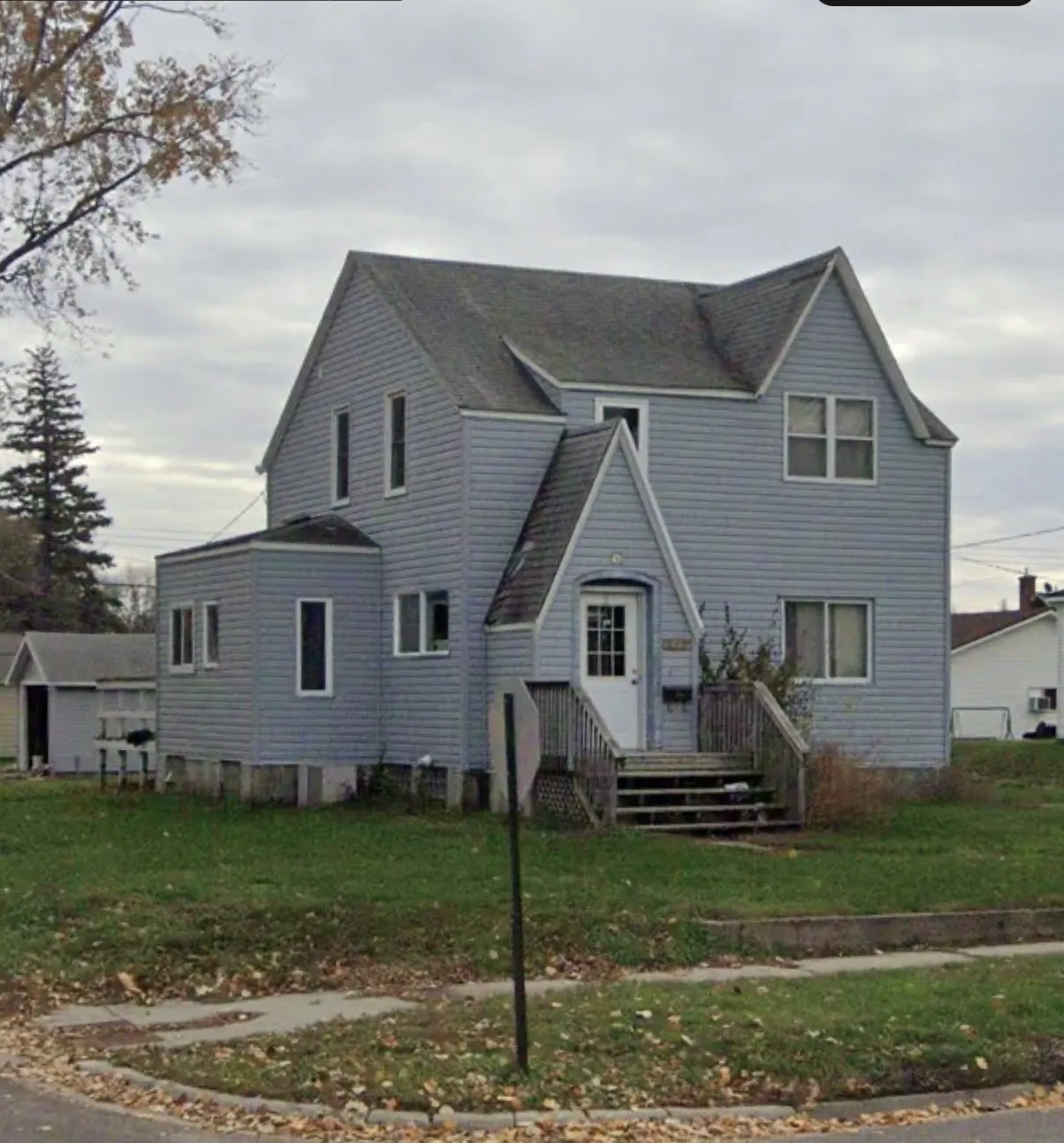
Vinyl siding should look reasonably flat and consistent. When panels ripple, bow outward, or appear to melt, the problem may not be the siding brand at all. The pattern of damage often points to the cause.
Buckling can be an installation problem
Vinyl siding expands and contracts with temperature changes. If installers fasten panels too tightly, restrict movement at trim, or fail to leave the specified clearance, the panels can distort as they move. Proper fastening and spacing must follow the exact manufacturer instructions.
Melting can come from reflected heat
Highly reflective neighboring windows can concentrate sunlight on a small section of siding. This can create distortion even without a fire or other obvious heat source. Affected panels may have a localized, rippled appearance. Investigate the reflection source before replacing them, or the damage may recur.
Moisture and wall conditions matter
Not every bulge is thermal movement. Uneven wall sheathing, loose fastening, water-damaged substrate, or improperly installed accessories can create visible irregularities. If you see peeling interior finishes or soft spots nearby, have the underlying wall checked rather than covering the symptom.
What homeowners should do
Take photos, note whether the issue appears only during hot weather, and identify nearby glass surfaces. Do not drill extra holes or fasten a buckled panel tightly to flatten it. A siding professional can determine whether selective replacement is appropriate and whether the original cause has been corrected.
Frequently Asked Question
Is a wavy wall always defective siding? No. Wall flatness, installation, expansion allowance, and heat exposure all contribute to the finished appearance.
Ready to improve your home exterior?
Reliant Roofing helps homeowners in Foley, Princeton, St. Cloud, Brainerd, and surrounding Central Minnesota communities with roofing, siding, windows, and other exterior projects. Contact our team to discuss the condition of your home and the options that fit your goals.
Reliant Roofing - Finally, a contractor you can rely on.