- Home
- Blog
- How Late in the Fall Can You Replace Your Roof in Minnesota? Understanding Asphalt Shingle Temperature Requirements
How Late in the Fall Can You Replace Your Roof in Minnesota? Understanding Asphalt Shingle Temperature Requirements
Think roofing season ends when temperatures drop below 40°F? Learn when asphalt shingles can be safely installed in Minnesota and how cold weather affects your new roof.
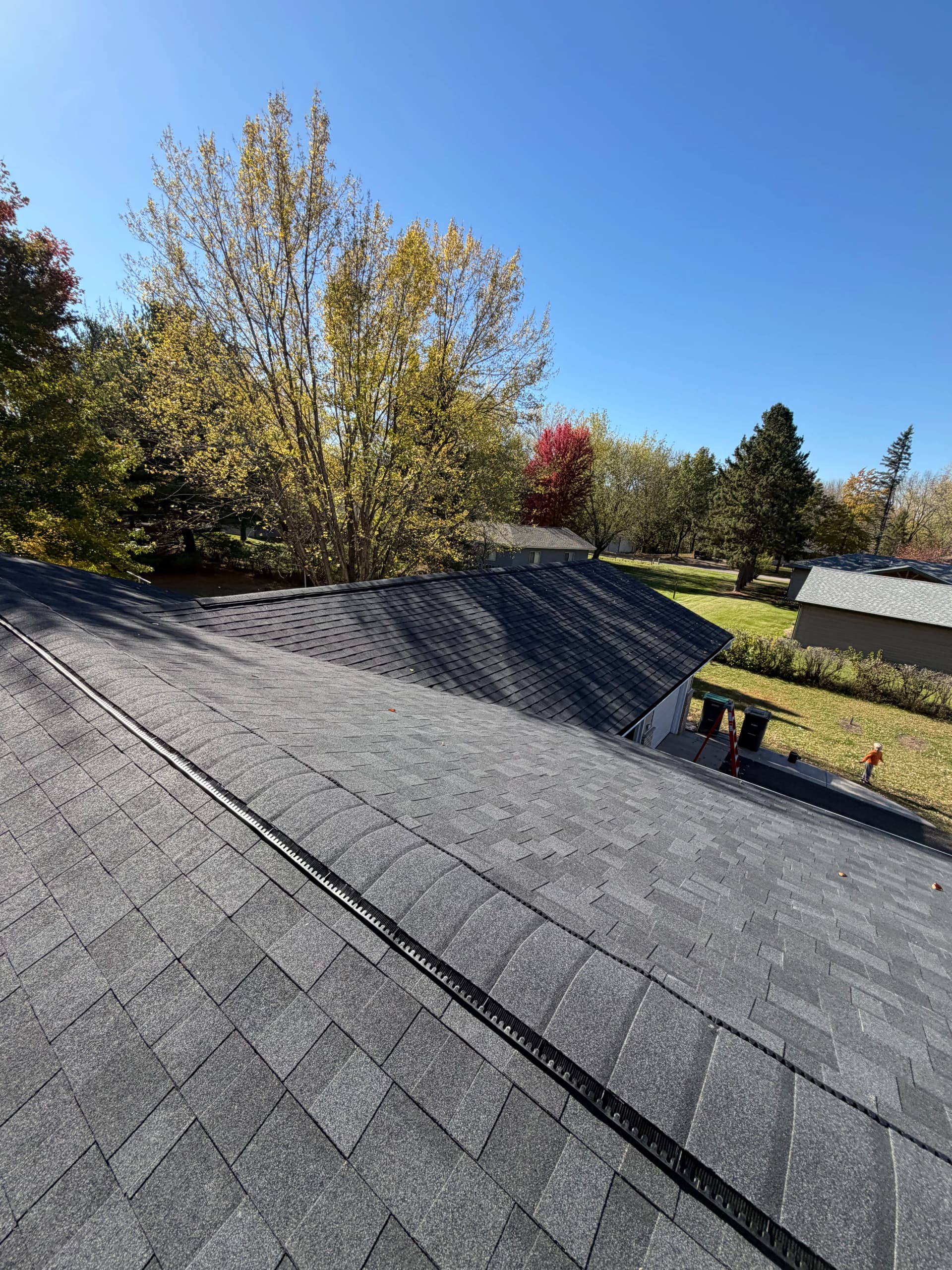
As Minnesota temperatures begin to drop, many homeowners wonder whether they've missed their opportunity to replace their roof before winter.
The good news? Just because the temperature drops below 50°F doesn't mean roofing season is over.
Asphalt shingles can be installed during cooler weather, and in some cases even during winter. However, colder temperatures introduce challenges that require additional precautions, proper materials, and an experienced roofing contractor.
At Reliant Roofing, we believe homeowners should understand how temperature affects their roofing system so they can make informedHow Late in the Fall Can You Replace Your Roof in Minnesota? Understanding Asphalt Shingle Temperature Requirements
decisions about their roof replacement.
What Is the Minimum Temperature for Installing Asphalt Shingles?
One of the biggest misconceptions about roofing is that asphalt shingles cannot be installed below 40°F.
While 40°F is an important benchmark, it is not a universal minimum installation temperature.
Major roofing manufacturers provide specific guidance for cold-weather shingle installation.
Generally speaking:
Above 50°F: Typically favorable conditions for asphalt shingle installation, assuming the roof is dry and weather conditions are appropriate.
40–50°F: Shingles can generally be installed, but contractors should pay close attention to material flexibility and sealing conditions.
Below 40°F: Installation may still be possible, but additional precautions are often necessary to prevent shingle damage and ensure proper sealing.
Below freezing (32°F): Installation becomes more challenging. Frost, ice, moisture, brittle shingles, and worker safety must be carefully evaluated.
These are general planning guidelines, not universal manufacturer-approved installation ranges. The specific shingle, underlayment, sealants, and other roofing components each have their own installation requirements.
There is no single temperature that automatically determines whether every asphalt roof can or cannot be installed.
Why Does Temperature Matter When Installing Shingles?
Asphalt shingles are designed to withstand changing temperatures after installation. However, temperature also affects how they behave while being installed.
Two of the biggest concerns during fall roofing projects are shingle flexibility and adhesive activation.
1. Asphalt Shingles Become Less Flexible in Cold Weather
As temperatures decrease, asphalt shingles can become stiffer and more brittle.
This can make them more susceptible to cracking or damage when being bent, cut, or handled improperly.
Areas such as roof valleys, hips, and ridges may require particular care because materials often need to be manipulated during installation.
For this reason, manufacturers emphasize careful handling during cold-weather roofing projects.
Professional roofing crews may also store shingles in warmer conditions before installation to help maintain flexibility.
2. Shingles Need Heat to Activate Their Sealant Strips
Most modern asphalt shingles feature a factory-applied adhesive strip designed to bond overlapping shingles together.
This adhesive is an important part of the roofing system's wind resistance.
During warmer weather, heat from the sun helps activate the sealant, allowing shingles to bond together after installation.
However, in colder weather, that process can take significantly longer.
A roof installed in late October or November may not fully activate its factory sealant until warmer conditions return.
That doesn't automatically mean the shingles were installed incorrectly, but it does mean additional precautions may be necessary.
Depending on the manufacturer and conditions, contractors may need to hand-seal shingles using approved roofing cement rather than relying exclusively on sunlight and warmer temperatures.
This is one reason following manufacturer instructions is especially important during late-season roofing projects.
Can You Install Asphalt Shingles in November in Minnesota?
Yes. Asphalt shingles can sometimes be installed in November in Minnesota.
In fact, the calendar date matters much less than the actual conditions at the jobsite.
A sunny November afternoon with temperatures in the mid-40s may provide more favorable installation conditions than a rainy October morning with frost or moisture on the roof.
Factors that determine whether installation is appropriate include:
Air and roof surface temperatures
Snow, ice, frost, and moisture
Shingle flexibility
Forecasted weather conditions
Roof pitch and complexity
Manufacturer installation requirements
Availability of proper cold-weather installation methods
An experienced roofing contractor should evaluate these factors before deciding whether to proceed.
Simply having temperatures above freezing does not guarantee suitable installation conditions.
How Do Roofing Contractors Install Shingles in Cold Weather?
Installing asphalt shingles during cooler weather requires more planning than a typical summer roof replacement.
Careful Material Storage
When temperatures are low, shingles may need to be stored in a warmer environment before installation.
Keeping materials properly stored can help reduce brittleness and make shingles easier to handle.
Proper Shingle Sealing
Cold temperatures can prevent the factory-applied adhesive from activating promptly.
Depending on the specific product, manufacturers may require additional hand-sealing procedures, particularly around roof edges and other vulnerable areas.
These procedures help secure shingles until natural sealing can occur.
Dry Roof Decking
Roofing materials should never be installed over unsuitable wet, icy, or frost-covered surfaces.
Moisture can interfere with adhesion and create problems beneath the finished roofing system.
The roof deck must meet the applicable installation requirements before work begins.
Additional Attention to Installation Details
Cold temperatures can affect more than shingles.
Ice and water protection, roofing adhesives, sealants, flashing materials, and equipment may all require special considerations.
An experienced contractor understands that a complete roofing system must be installed correctly—not just the shingles.
Should You Wait Until Spring to Replace Your Roof?
Not necessarily.
Waiting until spring may be the right choice for some homeowners, particularly when severe winter conditions make installation impractical.
However, delaying an already deteriorating roof can create additional risks.
If your roof has missing shingles, active leaks, damaged flashing, or other significant problems, waiting several months could allow additional water damage to occur.
An inspection can help determine whether the roof needs immediate attention or whether replacement can safely wait.
In some situations, a temporary repair may be appropriate until favorable replacement conditions return.
Ultimately, the decision should be based on the roof's condition and the weather—not simply the time of year.
Why Fall Can Be a Great Time to Replace Your Roof
Fall can actually be an excellent season for roof replacement in Minnesota.
Prepare Before Heavy Snowfall
Completing a necessary roof replacement before winter can help reduce the risk of entering the snow season with existing roofing problems.
Address Summer Storm Damage
Minnesota's spring and summer storms can leave behind damage that homeowners don't notice immediately.
A fall inspection provides an opportunity to identify issues before winter conditions arrive.
Take Advantage of Suitable Weather Windows
Early and mid-fall often provide moderate temperatures that can be favorable for roofing work.
Even later in the season, stretches of suitable weather may allow roofing projects to be completed successfully.
Avoid Putting Off Necessary Repairs
A small roofing issue in October can become a much larger concern when snow accumulation, freezing temperatures, and thawing cycles arrive.
Addressing roofing problems early may prevent more extensive damage.
Frequently Asked Questions About Fall Roofing in Minnesota
Is 40°F too cold to install shingles?
Not necessarily. Some manufacturers allow installation below 40°F when their required cold-weather precautions are followed. The specific roofing system and jobsite conditions determine whether installation is appropriate.
Can you install shingles when it's 30°F outside?
It may be possible with certain roofing products and appropriate precautions, but the risk of brittle materials, inadequate sealing, frost, and unsafe conditions increases. Installation should proceed only when the manufacturer permits it and conditions are suitable.
Will asphalt shingles seal themselves in cold weather?
Not always. Factory sealant strips generally need sufficient warmth and sun exposure to activate. In cold weather, sealing may be delayed, and manufacturer-required hand-sealing procedures may be necessary.
Does installing shingles in winter void the warranty?
Not automatically. Warranty coverage depends on the manufacturer, product, and compliance with installation instructions. Improper installation can create warranty problems regardless of the season.
Can a roof be replaced in December in Minnesota?
Sometimes. A December installation may be possible during suitable weather windows, but snow, frost, moisture, material requirements, and worker safety can make replacement more challenging.
What is the best time of year to replace a roof in Minnesota?
Late spring through early fall typically provides favorable conditions, but properly planned asphalt shingle installations can sometimes take place outside those months.
Don't Let the Calendar Determine Your Roof's Condition
If your roof is showing signs of wear or damage, don't assume you have to wait until spring just because fall temperatures are dropping.
The most important factors are the condition of your roof, the weather, the materials being installed, and whether the contractor follows the proper installation procedures.
At Reliant Roofing, we believe in providing homeowners with straightforward information and recommending solutions based on their actual needs.
Whether you're planning a fall roof replacement, preparing your home for winter, or concerned about an existing leak, our team can help you understand your options.
Schedule Your Fall Roof Inspection With Reliant Roofing
Reliant Roofing proudly serves homeowners throughout Central Minnesota, including Foley, St. Cloud, Princeton, Brainerd, and surrounding communities.
If you're wondering whether there's still time to replace your roof before winter, contact our team to discuss your project.
Reliant Roofing — Finally, a contractor you can rely on.
Contact us today to schedule your roof inspection or request a roof replacement estimate.