Why Do Your Windows Freeze on the Inside in Minnesota?
Discover causes and solutions for indoor window frost in Minnesota, including humidity control and window efficiency tips.
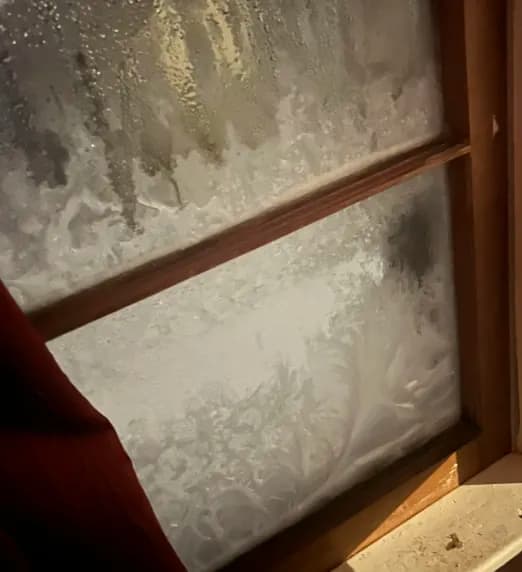
A little condensation during an exceptionally cold spell is not uncommon, but persistent frost or puddles around windows deserve attention. The answer is not always simply to buy a new window.
Cold glass meets humid indoor air
Warm interior air can carry moisture. When it touches a cold enough surface, water condenses; at freezing temperatures, it can become frost. Cooking, showers, plants, humidifiers, and everyday occupancy all add moisture to indoor air.
Air leaks can make trouble worse
Leaky sash weatherstripping or gaps around the frame can create colder surfaces and localized drafts. Damaged seals or older glazing may also increase the likelihood of condensation. The location of the moisture helps identify the likely cause.
Practical first steps
Check indoor humidity, use bathroom and kitchen exhaust fans as intended, make sure vents exhaust outdoors, and avoid trapping humid air behind tightly closed blinds for long periods. If you see mold, damaged trim, or continuing water, address it promptly.
When replacement helps
More efficient windows with a suitable U-factor and proper installation can keep interior surfaces warmer. But new windows will not correct excessive indoor humidity on their own. The best solution often involves both building performance and moisture control.
Frequently Asked Question
Should I keep my humidifier at one setting all winter? Indoor humidity may need to decrease during extremely cold weather to limit condensation; follow equipment and building guidance for your home.
Ready to improve your home exterior?
Reliant Roofing helps homeowners in Foley, Princeton, St. Cloud, Brainerd, and surrounding Central Minnesota communities with roofing, siding, windows, and other exterior projects. Contact our team to discuss the condition of your home and the options that fit your goals.
Reliant Roofing - Finally, a contractor you can rely on.