What You REALLY Need to Know About Ice Dams
Understand ice dams: their formation, effects on your roof, and the importance of professional removal for home safety.
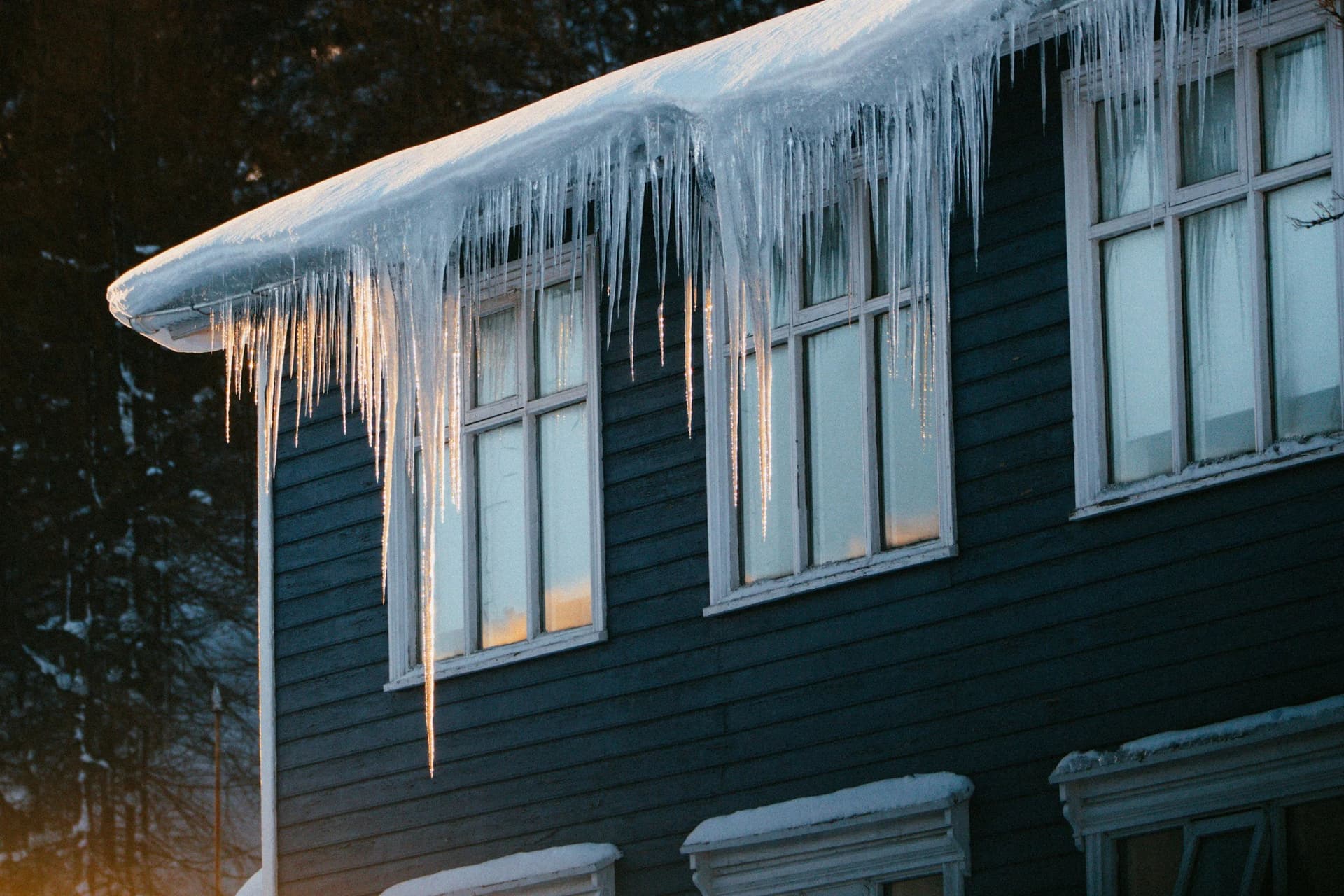
A proper Minnesota winter is reason to cheer for some (yay, snowmobiling) and groan for others (boo, salting the sidewalks).
But the below freezing temps can have a huge impact on your home. Whether you’re sheltered by shingles or steel roofing, ice dams should be on the homeowner watch list.
They form from temperature extremes
Keeping the indoors warm is crucial November-March. But that same warmth rises to the top of your house and gets trapped in the attic or along the ridgeline.
Heat transfers into snow sitting on your roof, causing it to melt and drain toward the eaves. Down there, the temperature is below freezing again, trapping water molecules in a dam and blocking future snow melt.
They can damage your roof (and home)
Melted snow with no place to drain will seep backwards, underneath your roofing layers and into your insulation or walls. This leads to sagging ceilings, peeling paint, and wet patches that later shelter mold and mildew.
They should be removed professionally
While whacking at a ridge of icicles with your longest shovel might feel good, it can damage your shingles and possibly break your gutters. A pressure washer rigged with hot water is not recommended for the same reasons.
Short-term solutions include using a roof rake to clear snow yourself, or pointing a box fan at the underside of your roof to freeze melting snow.
However, your safest and most thorough option is hiring a roofing professional to come remove the entire ice dam using steam.
What about next time?
If you’re looking to prevent ice dams from forming in the future, come back next week for our how-to guide on long-term solutions to winter roofing damage.