How Often Should You Have Your Roof Inspected?
Discover the ideal schedule for roof inspections based on various factors. Protect your home by identifying roof issues early.
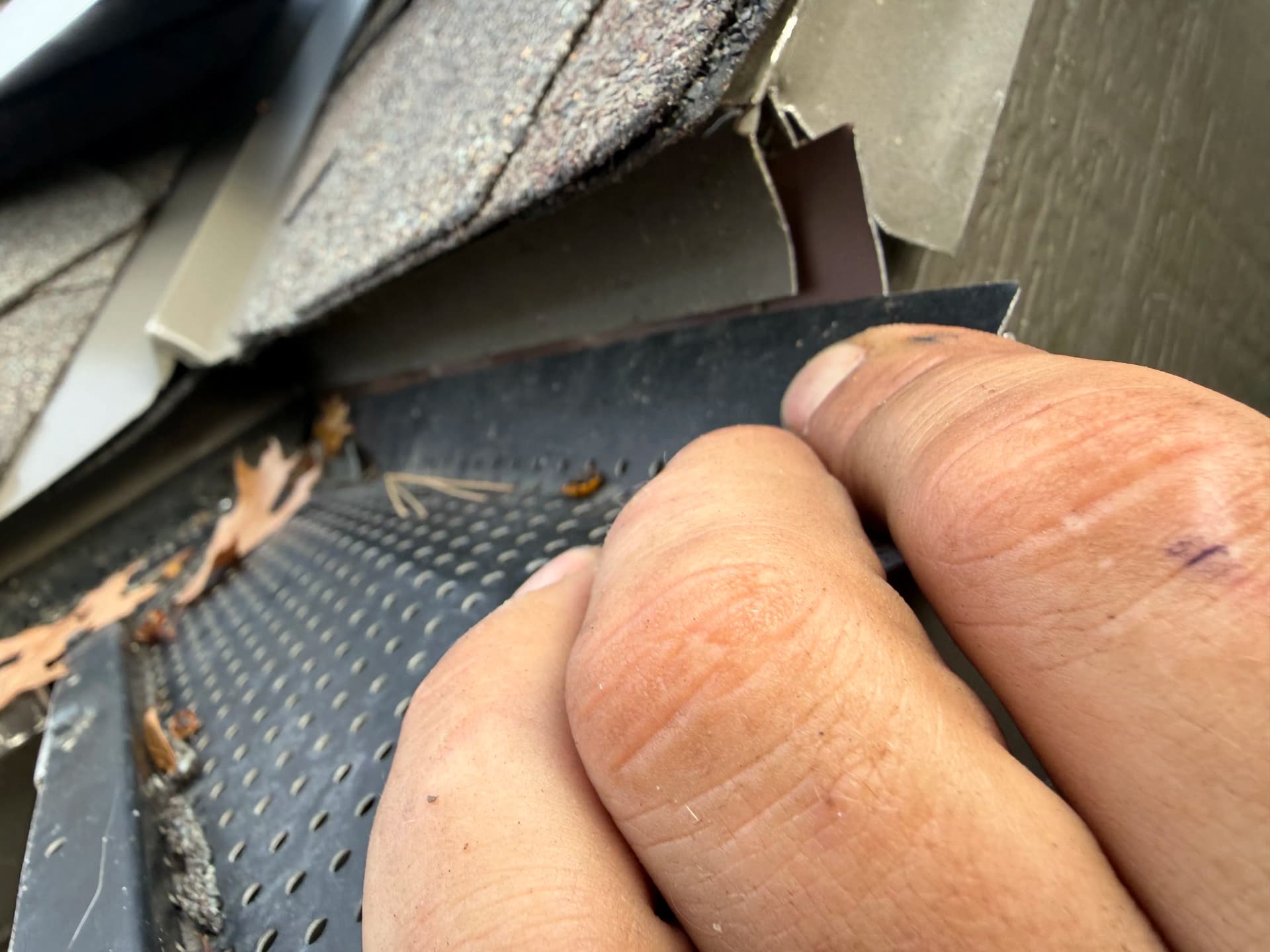
Your roof works every day, but most homeowners think about it only when something leaks.
Periodic visual checks and inspections after major weather events can help identify problems
before they grow.
Is there one perfect inspection schedule?
No single inspection frequency fits every home. Roof age, material, tree cover, storm history,
rooftop equipment, and previous leak issues all affect the right interval. A newer
uncomplicated roof may need less professional attention than an older, complex roof with
many penetrations.
When should you schedule an inspection?
An inspection is especially worthwhile after a significant hail or wind event, before a major
planned renovation, when a leak appears, or when you're approaching the expected end of a
roof's useful life. Fall can be a convenient time to check concerns before winter, while spring
can reveal issues after snow and ice.
What should be examined?
A useful inspection goes beyond counting shingles. It considers roofing materials, flashing,
penetrations, ventilation clues, drainage, visible roof edges, and evidence of interior moisture.
The inspector should document findings and explain whether repairs are urgent, optional, or
unnecessary.
What can homeowners safely do?
From the ground, look for missing shingles, unusual debris, damaged gutters, stains, or
changes after a storm. Check accessible interior ceilings and attic spaces for moisture signs.
Don't walk on steep, wet, icy, or damaged roofing.
The benefit of knowing your roof
A documented baseline can make future changes easier to identify. Reliant Roofing helps
homeowners in Central Minnesota understand their roof's condition and plan sensible
maintenance instead of waiting for an emergency.
Reliant Roofing | Finally, a contractor you can rely on.