Does a Black Roof Actually Make Your House Hotter?
Understand how a black roof impacts home warmth. It's more than just color; insulation and ventilation play key roles.
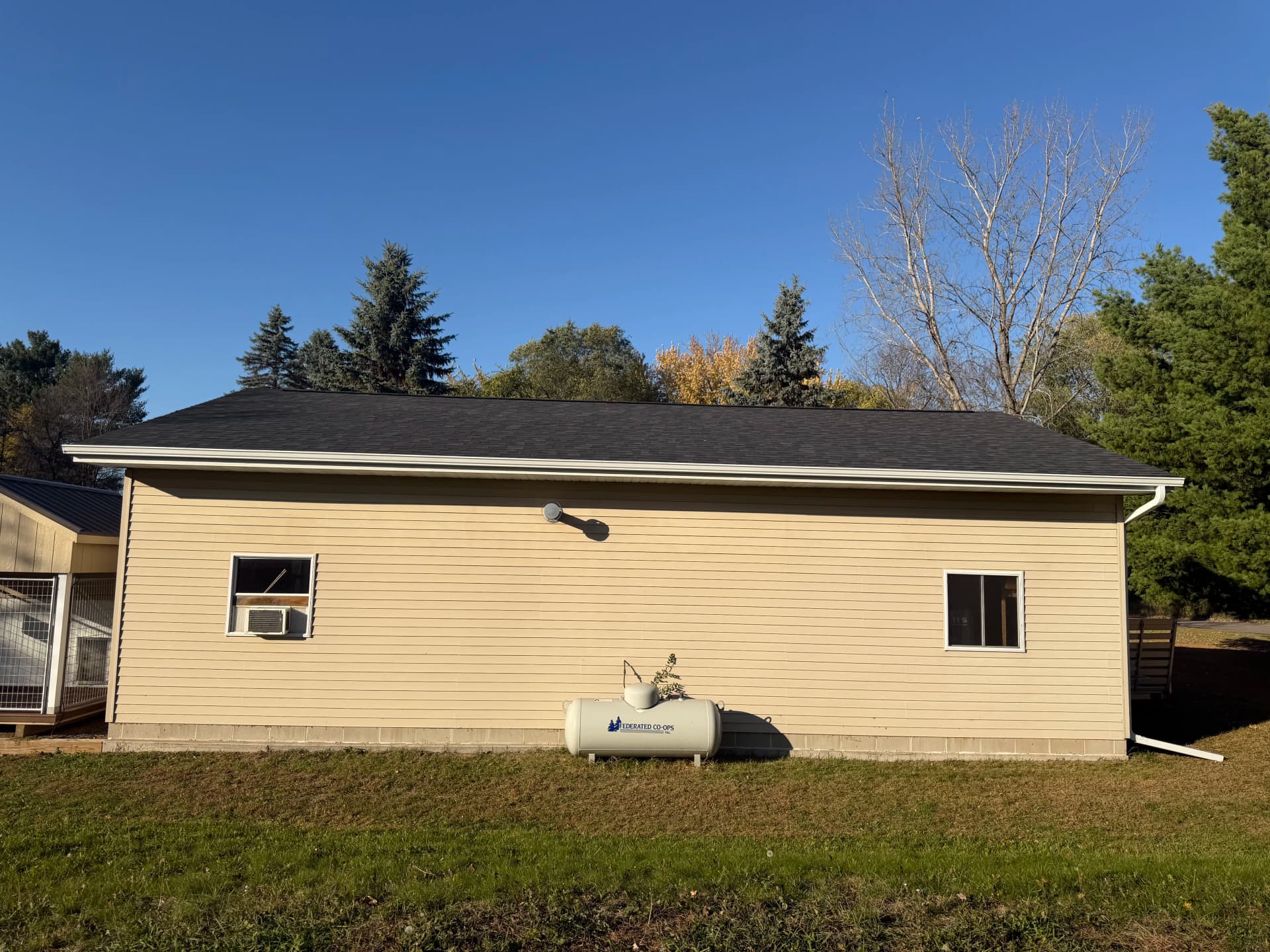
Black roofs look sharp on many Minnesota homes, but homeowners often wonder whether choosing a dark shingle will make the house unbearably hot in summer. The answer involves more than shingle color.
Color changes surface temperature
Darker roofing materials generally absorb more solar energy than light-colored materials. On a sunny day, that can influence the roof surface temperature. However, heat transfer into living areas also depends on the roof assembly and home construction.
Attic insulation is a major factor
An attic with inadequate insulation or significant air leaks can transfer heat into the home regardless of roof color. Air sealing the ceiling plane and installing appropriate insulation often matter more for comfort than the visual shade of the shingles alone.
Ventilation is not a magic fix
Attic ventilation has important moisture and heat-management roles, but it must be designed around the building. Randomly adding vents or mixing incompatible systems can create problems. Intake and exhaust arrangements should follow the applicable design and product requirements.
Choose roofing color holistically
Climate, style, neighborhood, shingle technology, and homeowner preference all matter. If roof temperature is a significant concern, compare specific tested products and consult a qualified professional rather than assuming every black roof behaves the same.
Frequently Asked Question
Will a lighter shingle automatically lower my utility bill? Not necessarily. The entire building envelope and mechanical system influence energy use, so results vary.
Ready to improve your home exterior?
Reliant Roofing helps homeowners in Foley, Princeton, St. Cloud, Brainerd, and surrounding Central Minnesota communities with roofing, siding, windows, and other exterior projects. Contact our team to discuss the condition of your home and the options that fit your goals.
Reliant Roofing - Finally, a contractor you can rely on.