What Causes Shingles to Blow Off During High Winds?
Explore why shingles blow off in high winds and how installation, adhesive, and fasteners impact roof durability.
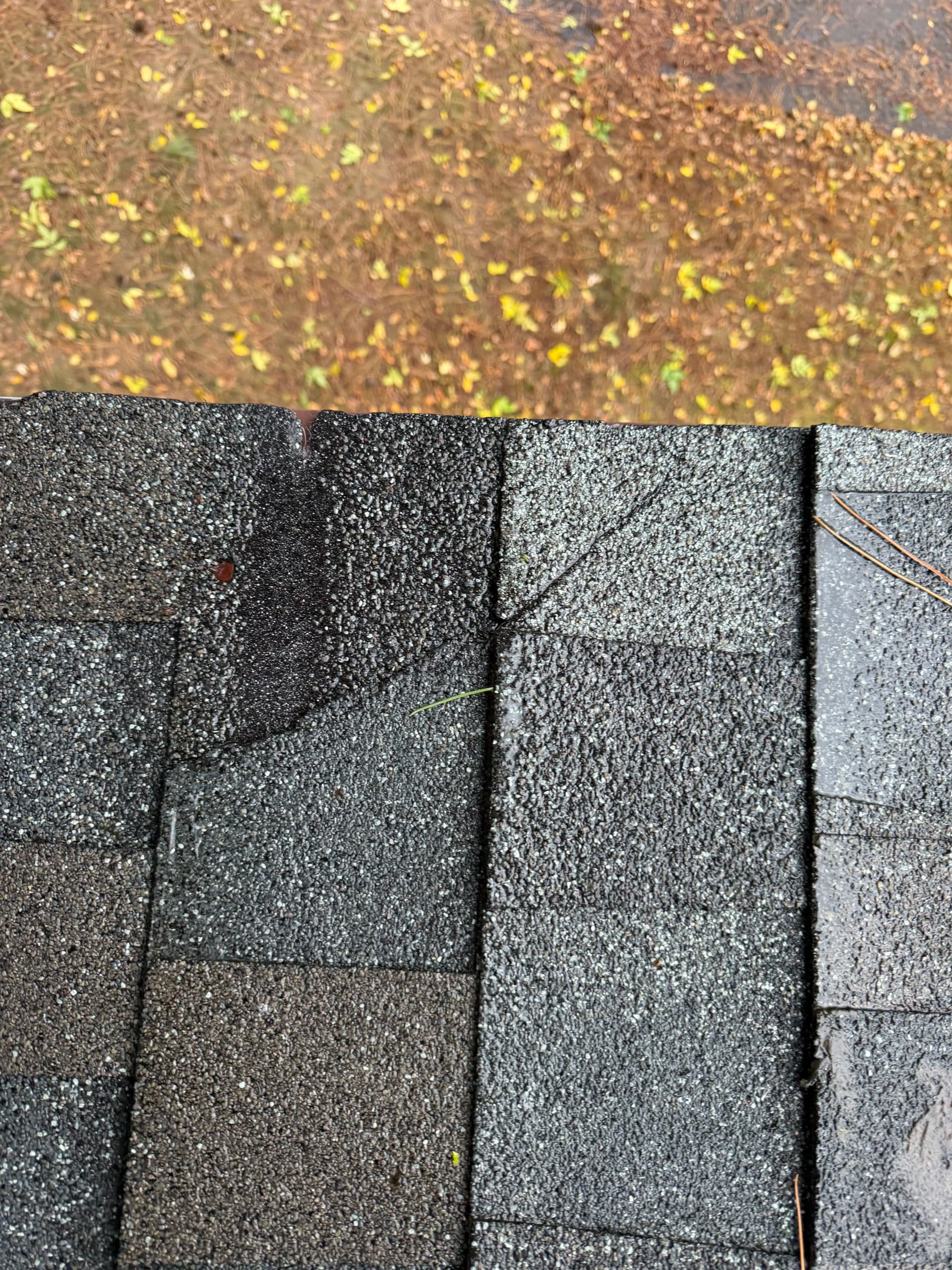
Minnesota windstorms can leave shingles on the lawn and exposed sections on the roof. Wind
damage isn't always just a question of how strong the gust was; installation, age, and sealing
play major roles.
Sealant and wind uplift
Many asphalt shingles rely on a factory-applied adhesive strip to bond overlapping shingles
after sufficient warmth and exposure. If shingles never seal properly, lose adhesion, or are
damaged by debris, they may be more vulnerable to wind uplift.
Fastener placement matters
Incorrect nail placement, inadequate fastening, or overdriven and underdriven nails can
reduce holding power. Manufacturers provide specific fastening patterns and instructions that
must be followed for the installed product and roof conditions.
Roof details make a difference
Edges, ridges, roof-wall transitions, and starter courses often experience challenging wind
conditions. Proper starter strips, flashing, and ridge products are important components of the
complete system.
What to do after shingles blow off
Stay off the roof, photograph visible damage, and arrange temporary protection when
necessary. A contractor can check surrounding shingles, underlying layers, and whether the
damage is isolated or part of a broader issue.
Don't assume a shingle with a high published wind rating is immune to damage. Ratings and
limited warranties have specific conditions. Reliant Roofing can help identify likely causes and
recommend an appropriate repair or replacement strategy.
Reliant Roofing | Finally, a contractor you can rely on.