Can New Windows Actually Lower Heating Bills in Minnesota?
Discover if replacing windows can improve comfort and energy savings in Minnesota. Understand the importance of U-factor, air sealing, and product comparison.
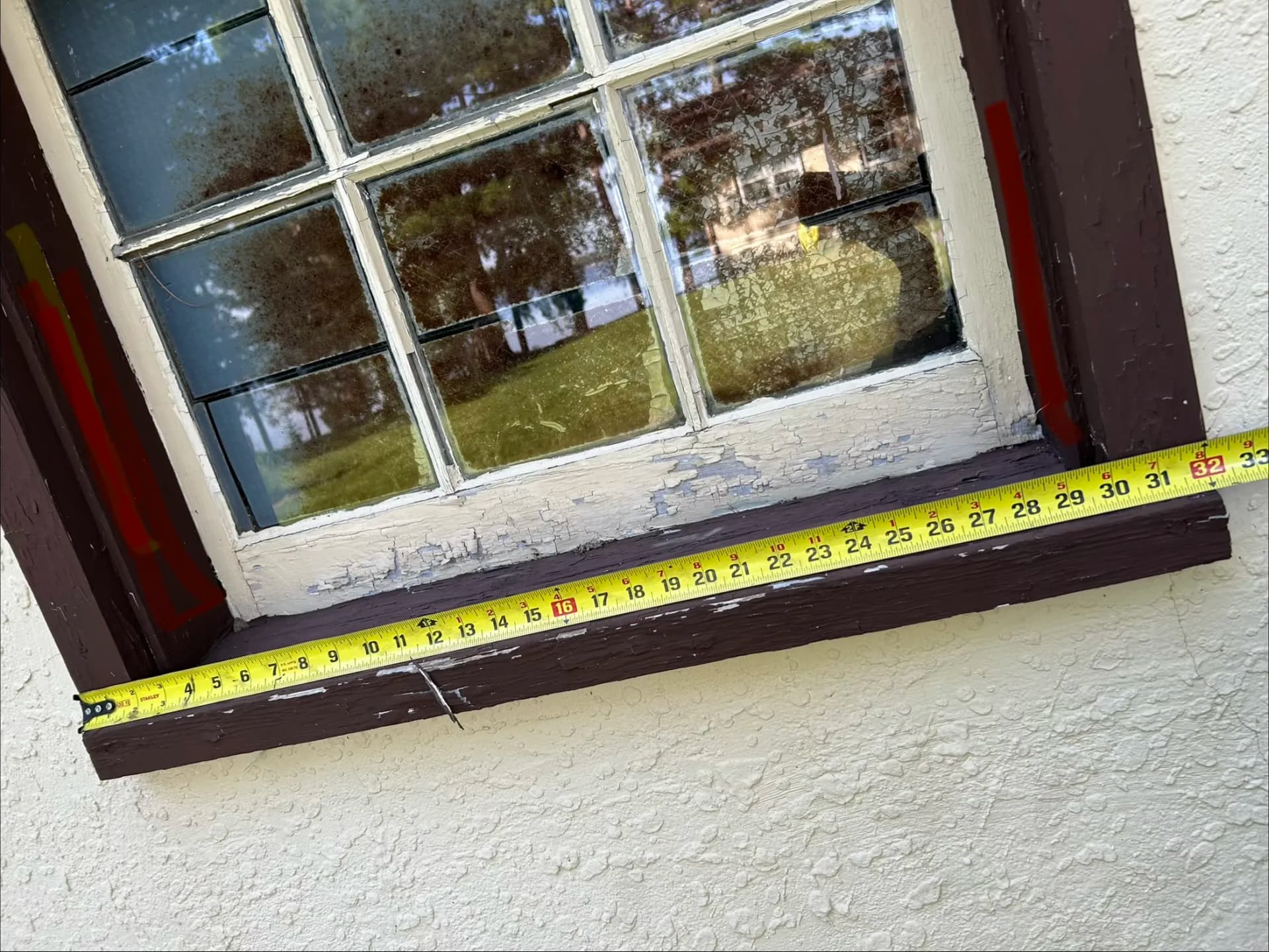
When Minnesota temperatures fall, drafty windows can make a room uncomfortable fast. Replacing them may improve comfort and energy performance, but savings depend on what you have now and what you install.
Understand the ratings
U-factor describes how readily heat passes through the full window assembly; lower numbers generally indicate better insulation. Solar heat gain coefficient describes solar energy admitted through the window. For cold climates, review the whole energy profile rather than judging glass thickness alone.
Compare actual products
Look for independent NFRC performance labels and ENERGY STAR qualification appropriate to the location. Compare the same window sizes, styles, and installation methods. A fancy-looking product is not necessarily the best-performing option for your home.
Air sealing matters too
A window with great ratings can still feel drafty if the perimeter is not air-sealed correctly. Poor insulation around the opening, misaligned sash, and worn weatherstripping all influence comfort. The scope of installation is part of the value.
Calculate savings conservatively
A very old single-pane or damaged window may offer more potential improvement than a relatively modern double-pane unit. Total utility bills also reflect attic insulation, air leakage elsewhere, the heating system, and occupant habits. Ask for realistic expectations, not guaranteed dollar savings.
Frequently Asked Question
Are triple-pane windows always necessary in Minnesota? Not always. Triple-pane can improve thermal performance, but price, weight, glazing package, climate, and project goals should drive the decision.
Ready to improve your home exterior?
Reliant Roofing helps homeowners in Foley, Princeton, St. Cloud, Brainerd, and surrounding Central Minnesota communities with roofing, siding, windows, and other exterior projects. Contact our team to discuss the condition of your home and the options that fit your goals.
Reliant Roofing - Finally, a contractor you can rely on.